
What to Avoid in Your Creativity Sector
Thursday, October 15, 2026
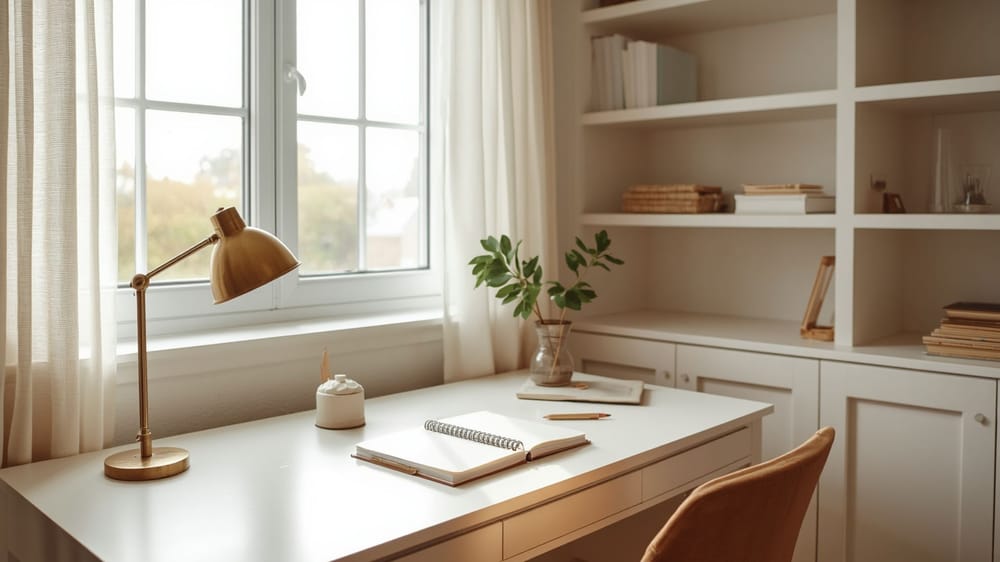
Priya had a lovely little study at the back of her flat. By day she wrote marketing copy. By night she was supposed to be writing a children's picture book, the one she had been talking about for three years. Every evening she sat down, opened the laptop, and felt her brain go quietly flat.
She blamed herself, naturally. Not disciplined enough. Too tired. Not really a creative person after all. What she did not blame was the room, which was crowded with shelves, lit by one harsh white ceiling tube and still holding a stack of unpaid-invoice folders from her old job.
Then a friend who practised Feng Shui stood in the doorway for about ten seconds and said, "It is very busy in here, isn't it?" Priya laughed. Then she stopped laughing, because she realised her friend was right.
Today we are looking at what to avoid in the creativity sector of your home. This is the part of the Bagua Map linked to ideas, imagination and fresh thinking, and it is surprisingly easy to switch off without noticing. The good news is that taking away the wrong things often works faster than adding new ones.
Creative thinking is a delicate process. It asks your brain to move between two modes. One is focused and analytical, the mode you use to organise ideas and solve technical problems. The other is open and exploratory, the mode where your imagination wanders and starts connecting things that did not seem related.
Real creativity happens when those two modes can talk to each other freely. A room that is chaotic, overstimulating or emotionally heavy interrupts that conversation. You may feel tired before you have even started, and ideas that would normally arrive easily simply refuse to show up.
Feng Shui has always recognised this. Your surroundings send constant signals to your subconscious mind, and those signals decide how safe and curious your brain feels. When this sector is clear and balanced, you tend to feel more playful, more willing to try odd ideas and less afraid of getting things wrong. When it is blocked, you may notice trouble concentrating, hesitation over new ideas and a strange frustration whenever you try to think differently.
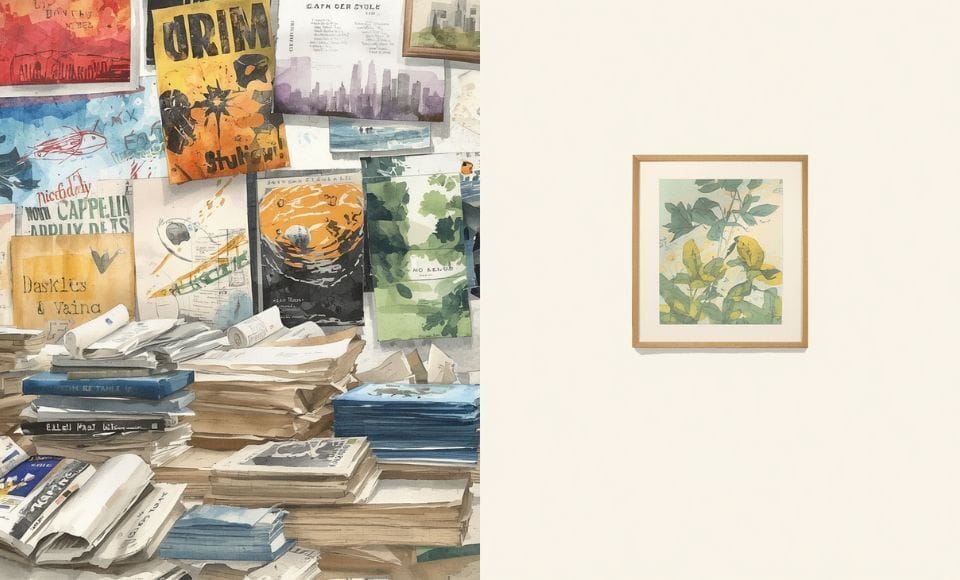
Visual noise is what happens when too many objects, colours, shapes and patterns compete for your attention in the same space. Think of shelves packed with ornaments, walls covered in pictures and posters, mismatched styles, or several bold colour schemes arguing with each other.
Your brain has to filter all of that information just so you can focus. Over time this filtering creates a quiet kind of fatigue, and a tired mind has very little room left for imagination. Creative insight usually arrives when the mind feels relaxed and open, not when it is working overtime to ignore a wall of clutter.
In Feng Shui terms, visual noise scatters Chi. Energy stops moving smoothly and starts darting about, and scattered energy can easily turn into scattered thoughts. You do not need a bare, joyless room. A few carefully chosen pieces that inspire you are lovely. The aim is stimulation with clarity, so the overall feeling is calm and spacious.
This one surprises people. Many of us were taught that perfect symmetry and precise alignment look tidy, and in some sectors, particularly those linked to stability and authority, a more formal arrangement can be helpful. In the creativity sector, though, too much rigidity can quietly press down on imagination.
Picture furniture lined up in strict rows, seating that all faces one direction, or a room arranged with museum-like formality. It looks neat, but it also sends a subtle message that stepping outside the pattern is not welcome. If your space insists on predictable arrangements, your thinking may follow.
Creativity often means breaking patterns and exploring new directions. Spaces that support it usually have a looser, more informal balance. Try angling a chair slightly, mixing heights, or letting one object sit a little off centre. Small variations make a room feel relaxed and adaptable, and a relaxed mind is far more willing to experiment.
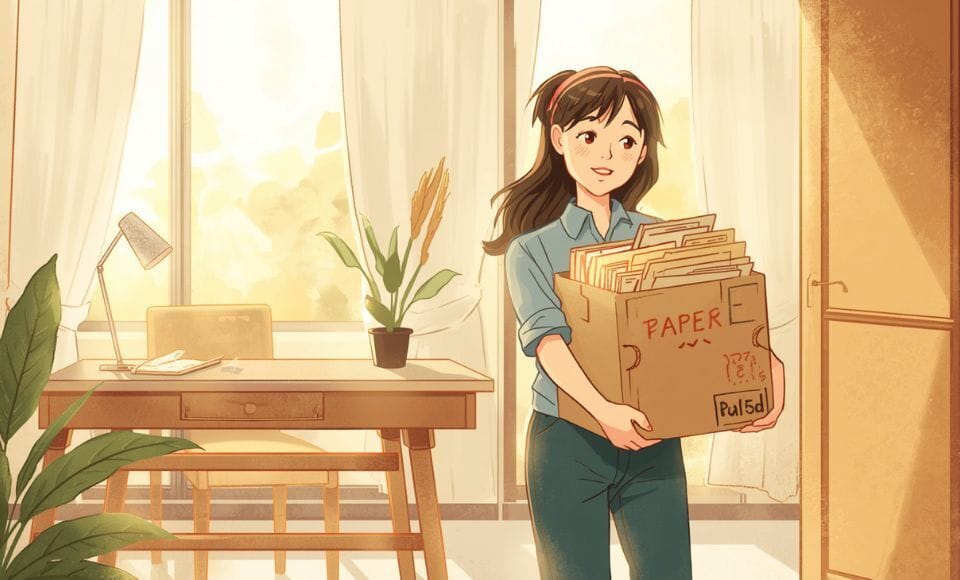
Your mind absorbs emotional signals from the things around you all the time. If an object repeatedly reminds you of stress, failure or pressure, your brain begins to link the whole area with those feelings. This is exactly what happened to Priya with those old invoice folders.
Common culprits include work papers tied to brutal deadlines, piles of unfinished obligations, and reminders of past disappointments. When the creativity sector holds these things, your mind can slip into a defensive mode. It becomes cautious and risk-averse, which is the opposite of what creative work needs.
Creativity needs a psychological environment that feels safe. Move the heavy objects out of this sector, or at least out of sight. You are not erasing your past. You are simply giving your imagination a corner that feels light enough to explore in.
Light has a big influence on how you think. Strong fluorescent tubes, overly bright overhead lights and lighting that throws sharp shadows all create a faint sense of tension. Your eyes work harder to adapt, which leads to strain and less mental comfort.
In Feng Shui, light is Yang energy. Yang stimulates activity and alertness, which is wonderful in the right amount. Too much of it, though, creates agitation instead of inspiration. Creative thinking tends to flow more easily in spaces that feel softly stimulating rather than aggressively bright.
Aim for lighting that is evenly spread, warm in tone and layered, so no single source dominates. A lamp with a warm bulb beside your desk, combined with gentle ambient light, often works far better than one glaring bulb overhead. You want the room bright enough to focus, yet soft enough to feel comfortable.
A simple test helps here. Sit in your usual spot for a minute and notice how your body feels. If your shoulders are tight and your jaw is clenched, the room may be asking for a change.
Think about when your best ideas arrive. For many people it is not while sitting stiffly at a desk. It is while standing up, pacing the room, making a cup of tea or looking out of a window. Movement stimulates circulation and wakes up different parts of the brain.
Yet plenty of rooms accidentally discourage it. Furniture squeezed together, narrow pathways, and a desk pushed tight against a wall all keep the body still. When the body stays static for too long, both your muscles and your thoughts can start to feel stiff.
In Feng Shui, smooth movement through a space lets Chi circulate. Rooms that invite gentle motion feel livelier and more mentally stimulating. Give this sector enough room to walk, stretch and shift between surfaces. If you can pace three or four steps while you think, you are in good shape.
Finally, creativity can wither in spaces that feel dim or compressed. A workspace shoved into a dark corner, a room dominated by heavy furniture and deep colours, or an area with almost no daylight can make the mind feel boxed in as well.
When the space around you feels cramped, your sense of possibility can shrink with it. Creative thinking thrives where things feel open, bright and expansive. Natural light helps enormously, and even a modest amount of daylight can lift your mood and sharpen your alertness.
In Feng Shui, brightness here activates Yang energy, which supports mental engagement and curiosity. If you cannot add a window, lighten the walls, move bulky furniture away, and use a mirror or pale surfaces to bounce light around the corner.

Maybe you are already scanning your own room and spotting a few of these culprits.
If so, remember that what you just learned is one piece of a larger system. Every sector of your home influences the others, and lasting change comes when you understand how they work together and what to do in each one.
That is the thinking behind the Inner and Outer Feng Shui program I built together with Master Dom, a renowned Feng Shui Master from Singapore known for helping ordinary people attract luck and turn situations around. Outer Feng Shui aligns your home's energy using the same ancient principles Chinese emperors used for over 5,000 years. Inner Feng Shui clears emotional blockages, rewires negative self-talk and raises your internal frequency, so you can make the most of the ideas your space finally lets through.
You can start learning Feng Shui for free. Click the button, create your free Skool account, and you can begin watching straight away. A selection of lessons across both Inner and Outer Feng Shui is already unlocked for you, with no payment and no card required.
If your ideas have gone quiet, look at what is in the room before you blame yourself. Visual noise, rigid layouts, emotional weight, harsh lighting, restricted movement and dark corners can all dim the creativity sector without making a sound.
You do not need to fix everything today. Choose the one item that made you wince as you read, and deal with it this week. Priya started with those invoice folders and a warmer bulb. Within a fortnight she had finished the first spread of her book. Sometimes the most creative thing you can do is clear the way.
Our Inner & Outer Feng Shui System™
Get FREE immediate access to the Inner & Outer Feng Shui System. Selected lessons unlocked daily — map your home’s 9 life sectors, activate your main door, and harness your inner chi. Simply create your Skool account and start immediately.
Free · Immediate access
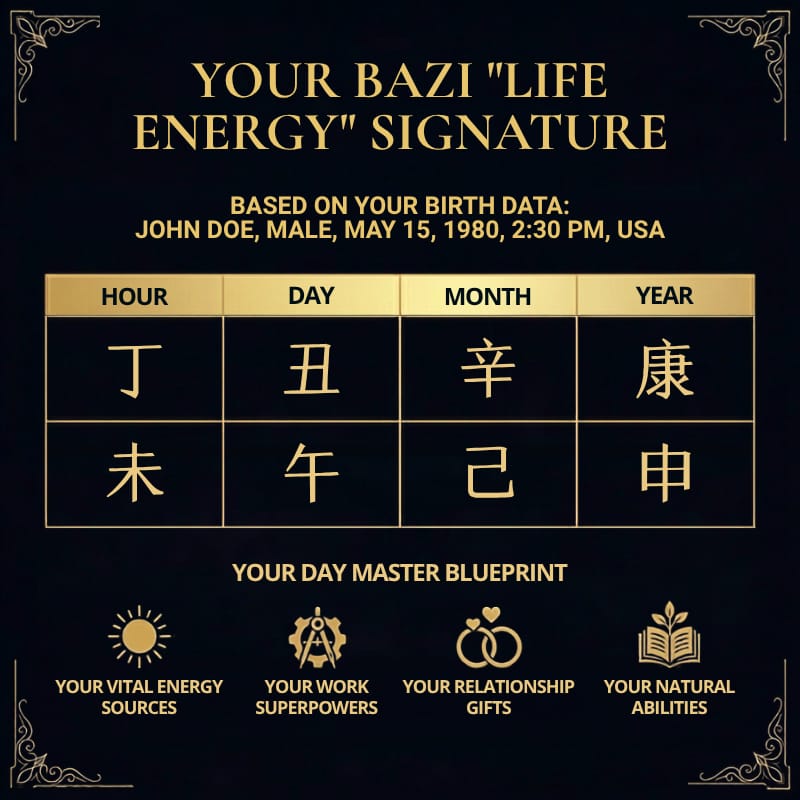
Free BaZi Destiny Life Energy Reading
Discover your Day Master and learn how it is shaping your personality, strengths, and natural luck.
Free · Instant delivery
Follow Us On Our Socials
We Post Daily Content On Internal & External Feng Shui, Spirituality, Manifestation and More!



Privacy Policy | Terms & Conditions
Copyright © 2026 Chi Manifestation. All Rights Reserved.
Your luck is waiting to be aligned
Get a free Day Master BaZi reading, or unlock free access to the Inner & Outer Feng Shui system — no card required, start immediately.
Get Free Resources